When to Fish a Glide Bait for Bass: Best Seasons, Conditions & Spots
When should you fish a glide bait for bass? The short answer: reach for one when bass have enough visibility to track a large bait, are positioned where they can move to intercept it, and are at least somewhat willing to chase. Glide baits are especially effective in clear to moderately clear water, around high-percentage structure, and during periods when bass are feeding on larger forage.
They are not limited to one season, though. A glide bait can catch bass from late winter through fall — and even in winter under the right conditions — but the way you fish it should change with water temperature, fish position and activity level.
The quick answer
Best overall window: Prespawn through fall, with postspawn and early summer often especially strong.
Best water: Clear to moderately clear water where bass can see the bait from a distance.
Best conditions: A little wind is often ideal. Bright conditions can also work in very clear water when fish can visually track the bait.
Best places: Points, weed edges, flats, docks, laydowns, bluff or channel-swing banks, shoals, drop-offs and other places where bass can ambush a large meal.
Best reason to throw one: You want to trigger a large fish — or use the bait’s drawing power to reveal where big bass are holding.
Why glide baits work
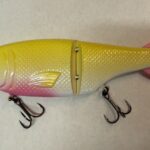
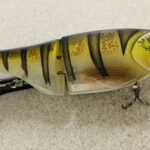
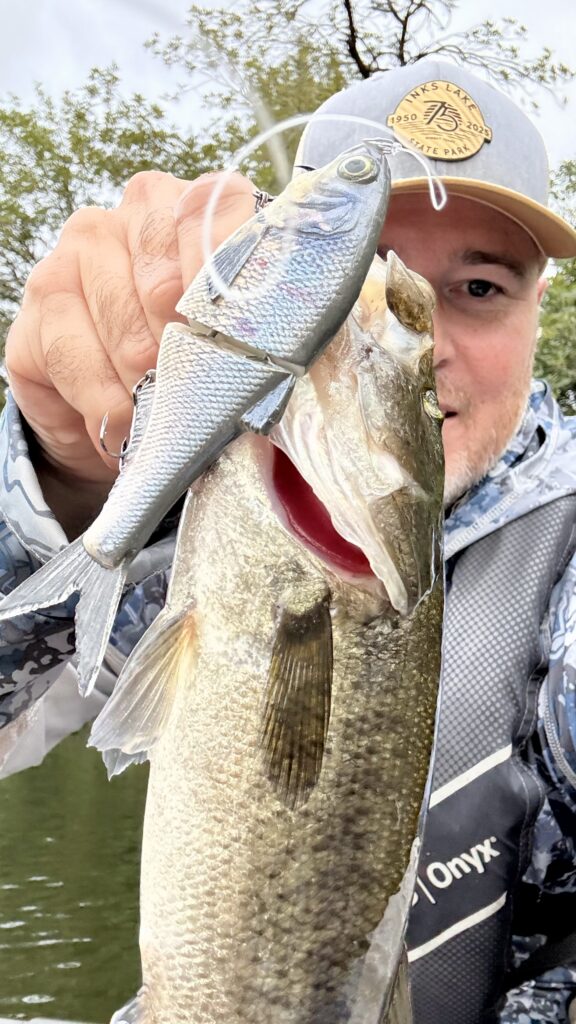
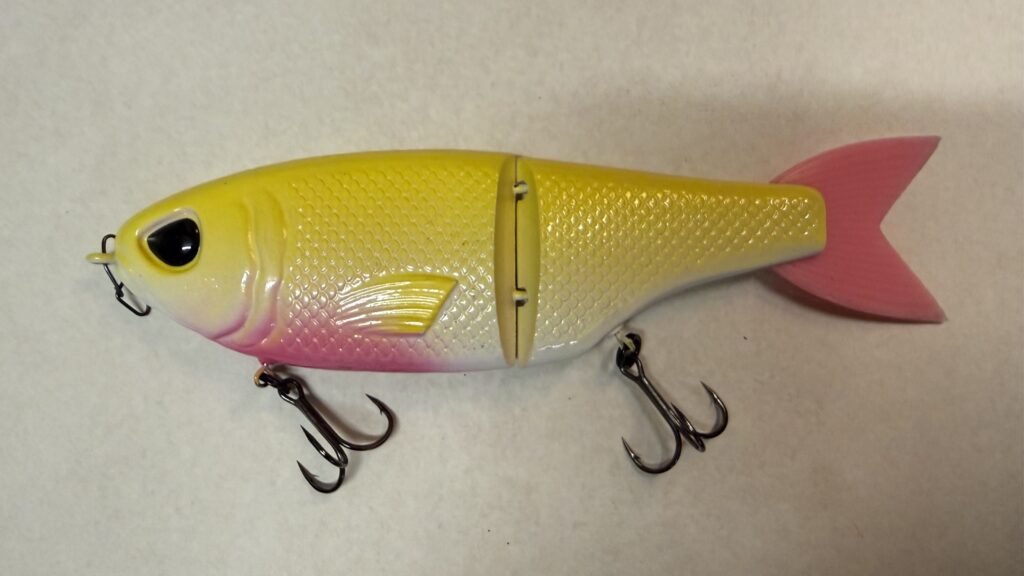
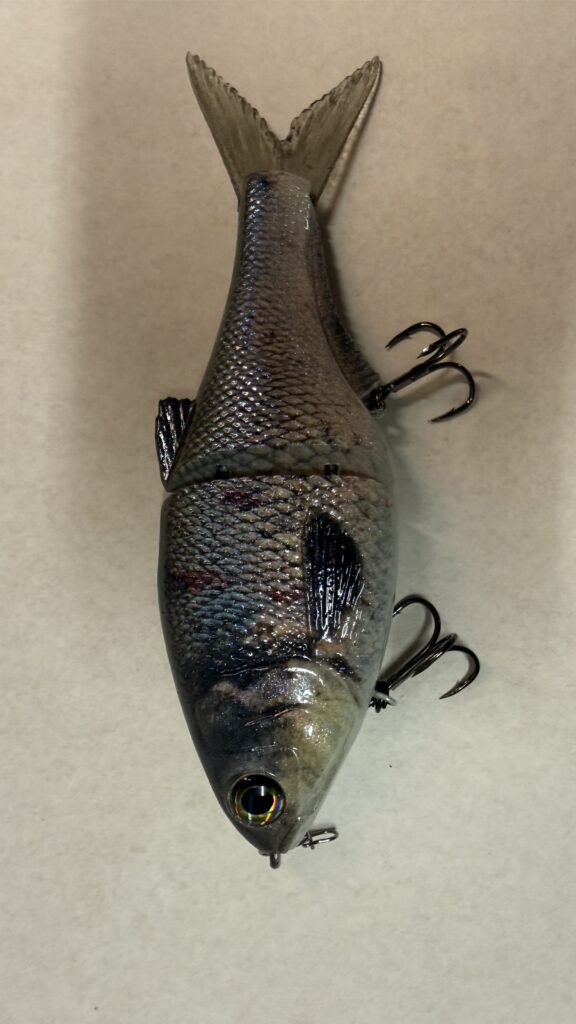
A glide bait is typically a large, single-jointed hard swimbait that moves in a wide side-to-side or S-shaped path. That wide movement is important. Instead of simply tracking a bait moving in a straight line, a bass often has to change direction as it follows a glide bait. Sudden turns, pauses and changes in cadence can then trigger a fish that has been following without committing.
Glide baits also have tremendous drawing power. Bass may move a surprising distance to inspect a large bait, particularly in clear water. That makes a glide bait useful even when it does not produce an immediate strike: followers can reveal where large fish live and how they are positioned.
That is why experienced swimbait anglers often treat a glide bait as both a lure and a fish-finding tool.
When to fish a glide bait by season
Late winter and early prespawn
Glide baits can work surprisingly early in the year, especially in clear water during warming trends. Bassmaster has documented anglers using them around bluff walls, channel swings, laydowns, points, ditches and other obvious structure where winter and prespawn fish stage.
This is usually not the time for a nonstop high-speed retrieve. Cold bass are often less willing to expend energy, so slower glides, pauses and deliberate direction changes tend to make more sense. A sunny day can actually help in very clear water because this is a visual presentation and bass have a better opportunity to track the bait.
Good early-season situations: clear water, warming afternoons, staging points, channel swings, steep banks and large isolated cover.
Prespawn
Prespawn is one of the most interesting windows for big glide baits because large females are moving toward spawning areas and often stage on predictable structure. Points, secondary points, flats adjacent to deeper water, channel swings and the first major cover outside spawning pockets are all logical targets.
The key is fish mood. Some prespawn bass will aggressively follow and eat a glide; others will track it without committing. If you are getting followers, experiment with a harder directional change, a pause, or a sudden burst of speed rather than immediately abandoning the bait.
Postspawn and early summer
This may be the most consistently reliable glide-bait window. After spawning, bass often begin feeding to recover lost body condition. At the same time, many fish are still shallow enough that a glide bait can be worked above or beside them where its profile is easy to see.
Early-summer glide-bait fishing is especially effective around docks, spawning pockets, shoals, points and shallow-to-deep transitions. Wired2Fish notes that clear-water fisheries can be especially productive because the bait can draw fish from farther away.
If bass are active, you can often fish the bait faster than you might expect. If fish follow but do not commit, slowing the bait or adding a pause can convert followers into bites.
Summer
Do not put the glide bait away just because bass move deeper. Summer fish often relate to points, ledges, brush, deep weed edges, docks and offshore structure. A slow-sinking or weighted glide bait can be used to reach deeper fish, while a standard glide can still draw suspended bass upward.
Summer is often less about covering random shoreline and more about making a high-quality presentation over a place where a big bass is likely to live. Large fish around an isolated laydown, dock corner, brushpile, grass edge or point may move a considerable distance to inspect a glide bait when water clarity is sufficient.
Fall
Fall can be excellent because bass increasingly relate to baitfish. As shad, bluegill and other forage move, bass may be scattered from the bank to open water. A glide bait gives you a large, highly visible presentation that can cover the upper and middle portions of the water column and imitate a substantial meal.
Major League Fishing and Bassmaster both describe fall as a period when bass can be mobile and forage-oriented. If you find concentrations of bait near points, flats, creek mouths, docks or channel edges, a glide bait is worth trying — particularly when larger bass are present.
Winter
Winter is the most conditional season. A glide bait can still catch fish, particularly in clear reservoirs, but it is usually not the first choice in very cold water. Fish are often less willing to chase, so a slower presentation and a bait that can stay in the strike zone become important.
Think of winter gliding as a targeted technique rather than a search-everywhere technique: make deliberate casts around high-confidence structure where you believe a quality fish is positioned.
Water clarity may be the biggest clue
If there is one environmental factor that consistently comes up with glide-bait fishing, it is visibility. These are highly visual lures. Clear water lets bass see the profile and movement from much farther away, which expands the bait’s effective strike zone.
MLF’s Cody Meyer has described his favorite glide-bait setup as clear water with a little wind, targeting weed flats and edges, points, laydowns, docks and other shade. Another tournament perspective cited by Wired2Fish notes that with roughly 3 to 4 feet of visibility, a large glide can attract bass from considerable distance.
That does not mean glide baits cannot work in stained water. They can. But as visibility falls, their biggest advantage — their ability to draw fish visually from a long distance — is reduced.
Simple water-clarity rule
Clear water: Excellent glide-bait conditions. Make long casts and let the bait’s drawing power work.
Moderately stained water: Still very fishable, especially around defined targets and active bass.
Very muddy water: Usually not where a glide bait has its greatest advantage. A more compact, vibration-heavy or target-oriented lure may be more efficient.
Wind is usually your friend
A light to moderate breeze is one of the best conditions for a glide bait. Wind breaks up the surface, can position baitfish and bass, and makes it harder for fish in clear water to inspect every detail of a lure.
It can also make large bass less cautious. On a perfectly calm, clear lake, fish may follow a glide bait all the way to the boat without committing. Add a little ripple and those same fish may react more aggressively.
That said, do not automatically abandon the bait on a bright, calm day. Bassmaster has documented successful winter glide-bait fishing under bright sun and only a light breeze because the increased visibility helped fish track the lure. The important distinction is that sun, wind and water clarity interact rather than operating as simple on/off switches.
Cloudy or sunny?
Both can work, but for different reasons.
Clouds and wind can encourage bass to roam and make them less cautious, which often improves reaction bites. Bright sun can position fish tighter to shade, cover or structure and make them easier to target. In very clear water, sunlight also makes a glide bait easier for a bass to see from a distance.
On sunny days, focus on predictable ambush locations: dock shade, the edge of a laydown, a grass line, a point, a bluff transition or an isolated piece of cover. On cloudy days, be willing to cover more water because bass may roam farther from those objects.
The best places to throw a glide bait
Glide baits are most efficient when you put their drawing power in front of fish that have enough room to move toward the lure. Some of the best situations include:
- Points and secondary points — especially where shallow water falls quickly into deeper water.
- Weed edges and flats — a bass can rise out of vegetation or track the bait across open water.
- Docks — particularly outside corners, shade lines and the ends of docks near deeper water.
- Laydowns and isolated wood — make your first cast count and bring the bait past the highest-percentage portion of the cover.
- Bluff walls and channel swings — useful in winter and prespawn when bass stage near steep water.
- Shoals and drop-offs — fish can intercept the bait as it crosses the edge.
- Suspended fish — the large profile can call fish upward when visibility is good.
Use the fish’s reaction to tell you how to retrieve it
There is no single correct glide-bait retrieve. The best cadence is the one that makes the fish react.
If bass are active, begin with a steady retrieve and occasional directional changes. If fish follow but refuse to strike, try slowing down, pausing, or making the bait suddenly turn. If fish show no interest at all, sometimes speeding up is the answer.
A useful mindset is to treat every follower as information. Did the fish come from deep water? From a dock? From a grass edge? Did it lose interest when the bait slowed down or when it sped up? Glide-bait fishing can show you bass that you might never know were there.
When not to fish a glide bait
A glide bait is not automatically the right tool just because big bass live in the lake. There are times when another lure is more efficient.
Consider putting it down when the water is extremely muddy, when bass are buried so tightly in heavy cover that they cannot see or move to the lure, when fish are extremely inactive and unwilling to chase, or when you need to rapidly generate numbers of bites rather than target higher-quality fish.
Even then, a glide bait can still be useful as a scouting tool. A fish that follows without eating has still told you where it lives.
Our simple glide-bait decision checklist
Pick up the glide bait when several of these are true:
✓ The water has at least moderate visibility.
✓ You are targeting quality fish rather than simply trying to maximize bites.
✓ Bass are feeding on shad, bluegill, trout or other substantial forage.
✓ You are fishing points, flats, docks, grass edges, laydowns or other high-percentage ambush areas.
✓ There is a little wind or cloud cover — or enough sunlight in clear water for fish to visually track the bait.
✓ Fish are suspended or positioned where they can move several feet to intercept a lure.
✓ You are seeing followers from jerkbaits, swimbaits or other moving baits.
✓ You want a lure that can reveal where large bass are holding, even if they do not bite.
Bottom line
If you are waiting for a single magic water temperature or calendar date before throwing a glide bait, you are probably waiting too long. The better question is whether the fish, forage, visibility and location make sense for a large visual presentation.
For many fisheries, the highest-confidence period runs from the prespawn through fall, with postspawn and early summer particularly strong. Clear water and a little wind are classic conditions, but glide baits can produce in a much wider range of situations when you adjust retrieve speed, depth and target selection.
And remember: a follow is not necessarily a failed cast. One of the biggest advantages of a glide bait is that it can make a big bass reveal itself.
Want to go deeper?
For more on bait selection, retrieves and targeting trophy largemouth, see our earlier guide: Mastering Glide Baits: A Guide to Hooking Trophy-Sized Largemouth Bass.
Sources and further reading
Major League Fishing — Meyer and Knight Break Down Glide Baits
Bassmaster — Land of Giants: Early Season Slaunches